






.png?locale=en)




Alsharq Tribune- Al Otaify
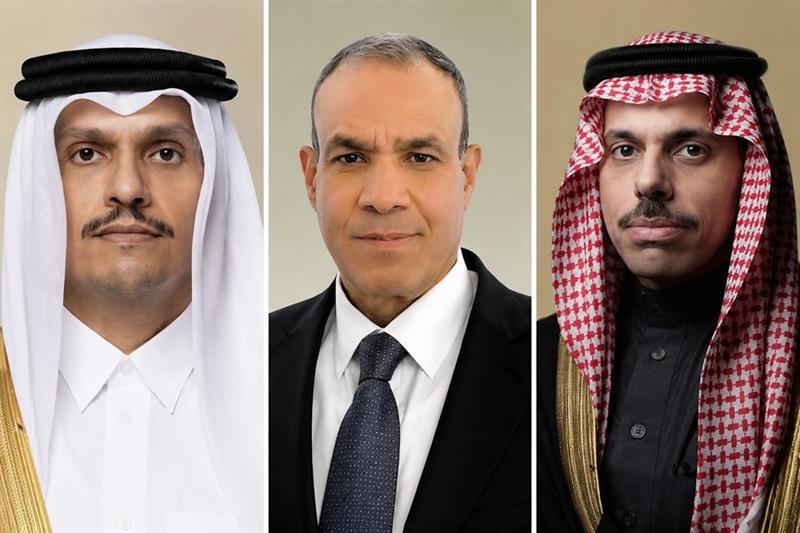
Egypt’s Foreign Minister Badr Abdelatty discussed the latest regional developments, including US-Iran negotiations, Lebanon, the Palestinian cause, and Red Sea security, in separate phone calls with his Qatari and Saudi counterparts on Saturday, the foreign ministry said.
During a call with Qatari Prime Minister and Foreign Minister Sheikh Mohammed bin Abdulrahman Al Thani, Abdelatty exchanged views on the latest developments in negotiations between the United States and Iran.
The two ministers stressed the importance of building on the existing negotiating track following the memorandum of understanding (MoU) reached between Washington and Tehran, and continuing to implement what had been agreed upon.
They said this would help reduce escalation, support regional security and stability, and ensure freedom of navigation in the Strait of Hormuz in accordance with international law. The FMs also discussed developments in Lebanon and welcomed the framework agreement reached under US sponsorship.
They emphasized the need to build on the agreement to ensure the full implementation of its provisions, strengthen Lebanon’s security and stability, preserve its sovereignty, and support the Lebanese state and its national institutions.
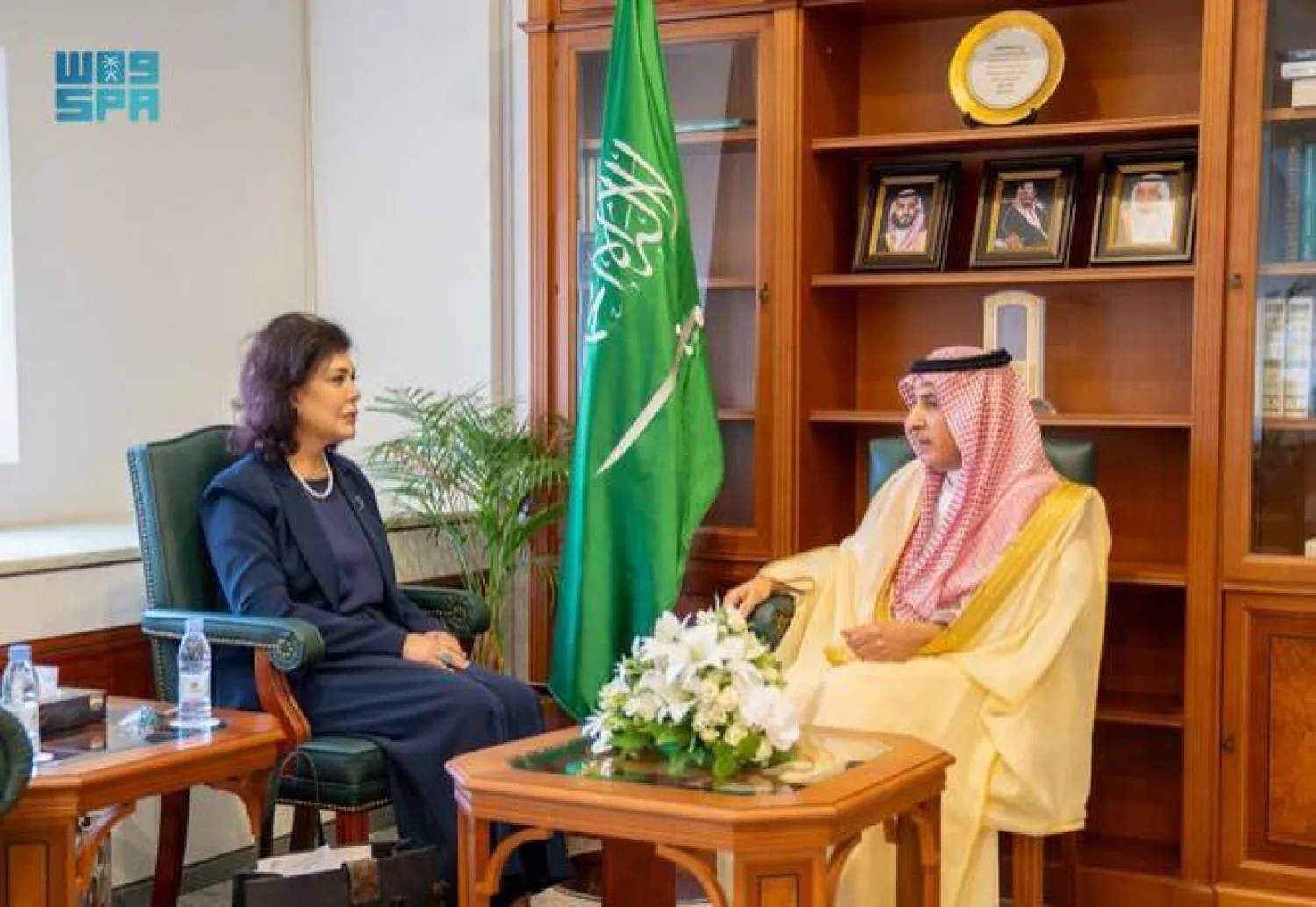
The two ministers also stressed the importance of a full Israeli withdrawal from Lebanon and an end to Israeli attacks. In a separate call with Saudi Foreign Minister Prince Faisal bin Farhan Al Saud, Abdelatty discussed bilateral relations and the latest regional developments.
The two ministers affirmed the depth of Egyptian-Saudi fraternal and strategic relations and their keenness to continue developing cooperation across various fields in a way that serves the interests of both countries and peoples.
They also exchanged views on regional developments, stressing the importance of building on the momentum created by the signing of the US-Iran MoU to consolidate calm and reduce the risk of escalation.
Abdelatty and Prince Faisal underscored the importance of preserving the security of Gulf Arab states as an integral part of Arab national security.
They also stressed the need to guarantee freedom of navigation in accordance with international law and avoid any unilateral measures that could harm international shipping or global trade.
The two ministers also discussed developments in Lebanon, the Palestinian cause, and the situation in the Red Sea, in light of the two countries’ firm positions on these issues.
They agreed to continue close consultation and coordination during the coming period to support regional security and stability and strengthen joint Arab action in facing current challenges.
The calls came amid renewed uncertainty over the US-Iran MoU aimed at ending the Washington-Tel Aviv war on Tehran and preventing further escalation across key flashpoints, including the Gulf, Beirut, and the Red Sea.
Iran on Saturday accused the United States of violating the deal after Washington launched strikes on Iranian missile and drone storage sites and coastal radar positions.
The US said the strikes were a response to what it described as Iranian attacks on commercial shipping in the Strait of Hormuz. Tehran denied responsibility for the escalation and said the US strikes targeted Iranian coastal surveillance facilities in breach of the memorandum.
Iran’s Revolutionary Guards said they had struck US sites in the Gulf in retaliation and warned of a broader response if attacks were repeated. Meanwhile, Lebanon has emerged as another key track in the regional de-escalation effort after Lebanese and Israeli officials signed a US-backed framework agreement in Washington following five rounds of mediation that began in April.
Lebanese President Joseph Aoun described the agreement as a first step toward restoring Lebanon’s sovereignty, securing Israel’s withdrawal from Lebanese territory, enabling displaced Lebanese to return home, and launching reconstruction efforts.
Meanwhile, Israeli officials have said the agreement does not provide for an immediate withdrawal. Prime Minister Benjamin Netanyahu and Defence Minister Israel Katz have both indicated that Israeli forces would remain in parts of southern Lebanon until Hezbollah is disarmed.
The Lebanese resistance group, Hezbollah, rejected the framework agreement as “humiliating” and a surrender of sovereignty, arguing that it links Israel’s withdrawal from Lebanon to its own disarmament.
Hezbollah Secretary-General Naim Qassem said Israel must withdraw unconditionally and warned that the agreement could entrench Israeli occupation.