





.png?locale=en)





Alsharq Tribune-Ahmed Essam
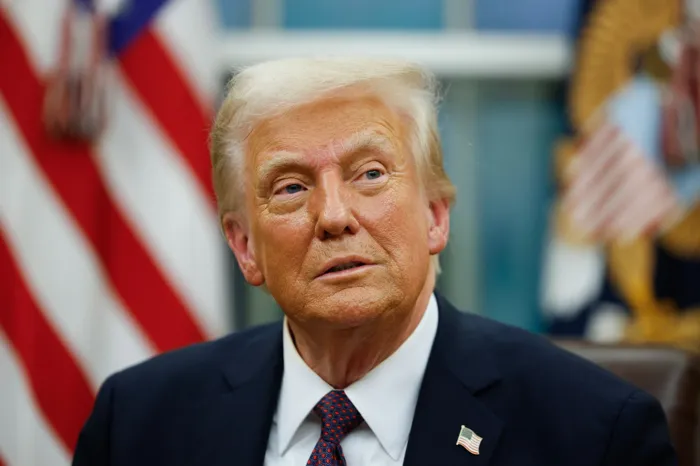
U.S. President Donald Trump said on Tuesday that he is considering sending a second aircraft carrier strike group to the Middle East for possible military action against Iran if negotiations fail.
"We have an armada that is heading there, and another one might be going," Trump said in an interview with U.S. news outlet Axios, noting that Washington is weighing additional military deployments while pursuing diplomatic talks with Tehran.
"Either we will make a deal or we will have to do something very tough like last time," Trump said, adding that another aircraft carrier "might be going" to the region.
The USS George Washington in Asia and the USS George H.W. Bush on the U.S. east coast are the most likely candidates, officials told Reuters, but each is at least a week away from the Middle East. The Pentagon could also deploy the Ford carrier from the Caribbean.
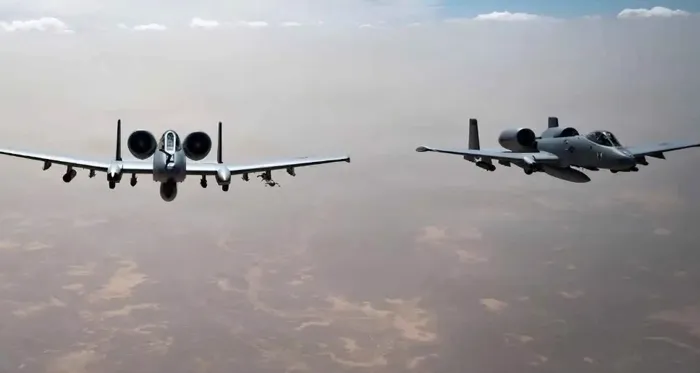
Satellite images showed a recent build-up of aircraft and other military equipment across the region, Reuters reported.
In particular, U.S. forces in Qatar's Al-Udeid Air Base, the biggest U.S. base in the Middle East, have put missiles into truck launchers as tensions with Iran ratcheted up since January, allowing them to be moved more quickly if needed, said the report.
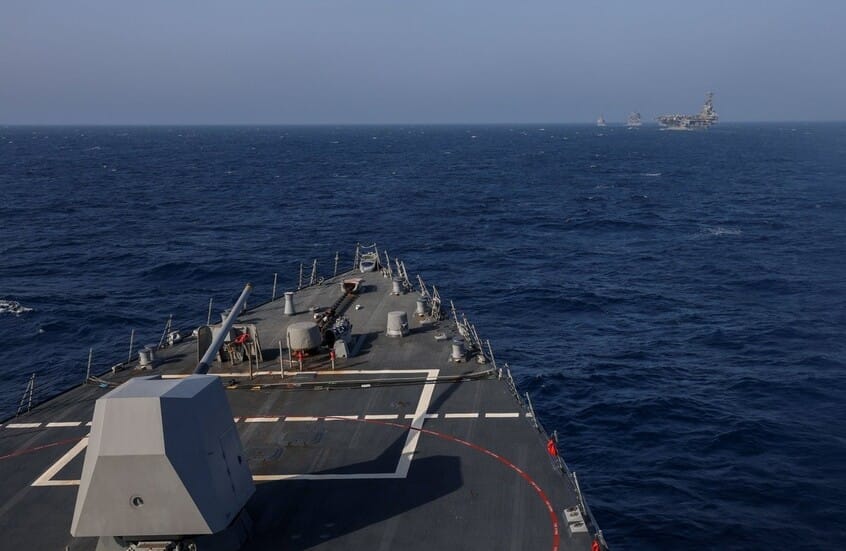
The aircraft carrier USS Abraham Lincoln and several guided-missile destroyers have already been deployed to the Middle East.
TALKS TO BE CONTINUED
Ali Larijani, secretary of Iran's Supreme National Security Council, arrived Tuesday in Muscat, where he met with Omani Foreign Minister Sayyid Badr bin Hamad bin Hamood Albusaidi, the chief intermediary in the U.S.-Iran talks.
"We discussed recent developments, especially the Iran-U.S. talks," said Albusaidi in a post on X. "Regional peace and security is our priority, and we urge restraint and wise compromise."
The visit by Larijani likely focused on what comes next after the initial round of indirect talks held last week in Muscat with the Americans.
Larijani affirmed Iran's readiness to engage in talks whenever they are realistic, noting that Iran's stance in the first round was positive, said an AP report, citing Oman TV.
He also suggested that the next phase could offer opportunities for strategic de-escalation or, at a minimum, a political repositioning, depending on the dialogue's outcomes, it added.
The United States and Iran held negotiations last week in Oman and the two sides agreed to keep the talks going.
On Tuesday, Iran's Foreign Ministry rejected reports that indirect talks between Tehran and Washington would be held outside Oman, saying Muscat was always the agreed venue.
Expressing optimism about the diplomatic process, Trump has said that Iran "wants to make a deal very badly" and that any agreement should cover Iran's nuclear program as well as its ballistic missile stockpiles.
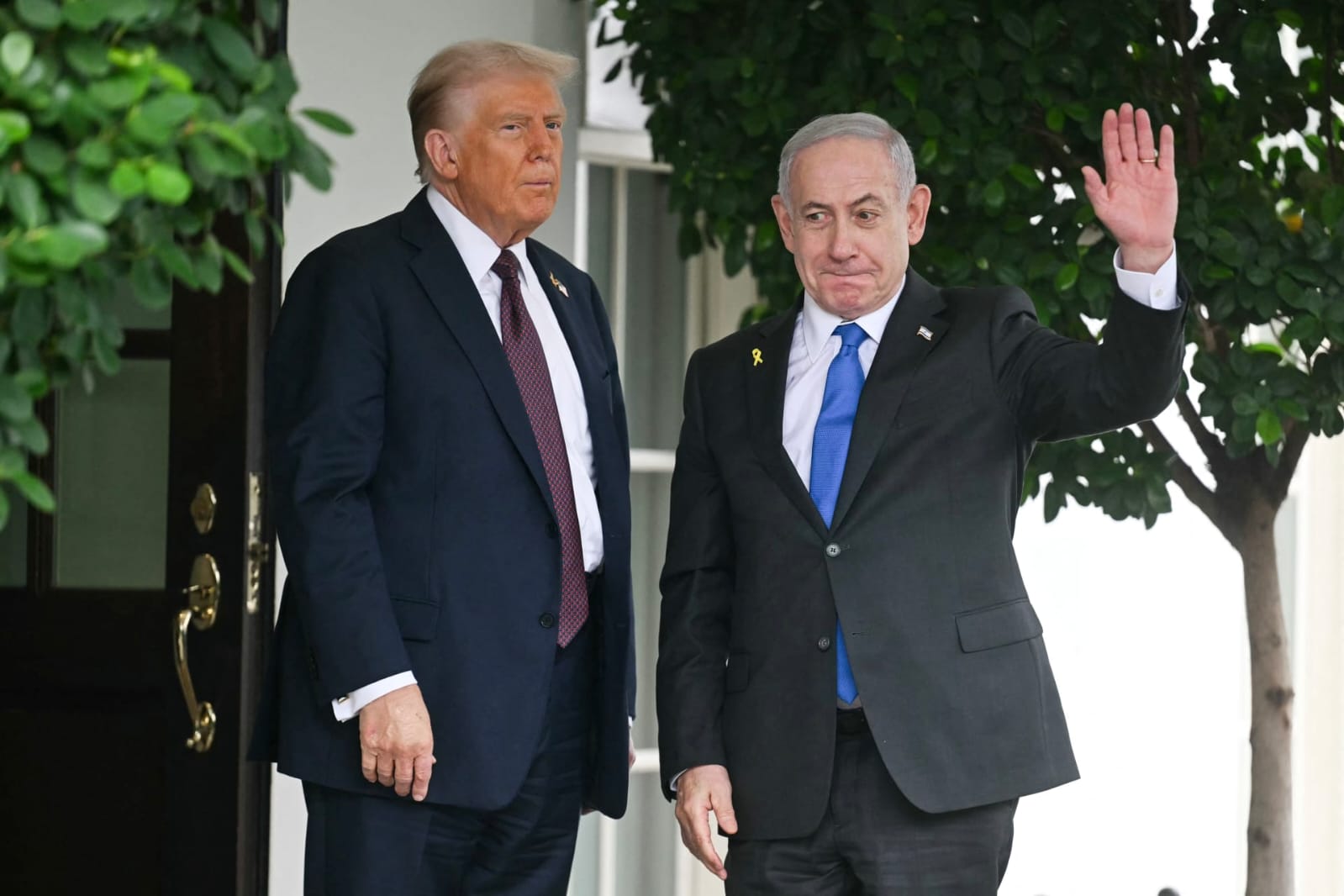
Israeli Prime Minister Benjamin Netanyahu is scheduled to visit Washington on Wednesday. Trump said he does not think Netanyahu is nervous about the U.S.-Iran negotiations. "He also wants a deal. He wants a good deal.