






.png?locale=en)



الشرق تريبيون- متابعات
Hypertension, commonly known as high blood pressure, remains one of Egypt’s most widespread health problems, according to recent reports by the Egyptian Hypertension Society (EHS) in 2025 and the World Health Organization (WHO).
Doctors describe hypertension as a “silent killer” because many patients develop no clear symptoms for years while the condition gradually damages blood vessels, the heart, kidneys, and brain.
The WHO estimates that around 31 percent of adults in Egypt live with hypertension. However, awareness levels remain relatively low, with many people unaware that they have the condition until serious complications appear.
The EHS says cardiovascular diseases linked to high blood pressure are among the leading causes of death in the country. These include heart attacks, strokes, heart failure, and chronic kidney disease.
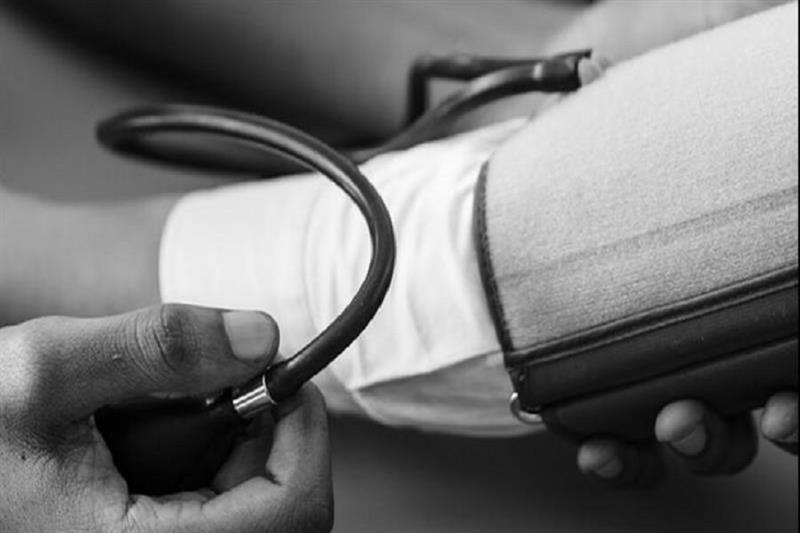
According to the latest EHS recommendations, hypertension is diagnosed when blood pressure readings consistently reach or exceed 140/90 mmHg during repeated measurements under proper conditions. Doctors stress that a single elevated reading is not enough for diagnosis.
Health experts attribute rising hypertension rates in Egypt to several interconnected factors, including excessive salt intake, obesity, smoking, diabetes, chronic stress, physical inactivity, and unhealthy eating habits.
Obesity remains one of the strongest contributors. WHO data indicates that Egypt continues to record high obesity rates among adults, particularly women, increasing the risk of hypertension and other non communicable diseases.
The EHS also highlights smoking as a major concern, especially among younger age groups. Tobacco use increases pressure on blood vessels and significantly raises the risk of cardiovascular complications.
Meanwhile, experts warn that hypertension is no longer limited to older adults. Increasing numbers of younger Egyptians are being diagnosed because of sedentary lifestyles, fast food consumption, and prolonged stress.
Doctors recommend regular blood pressure screening, especially for adults over the age of 40 or those with a family history of cardiovascular disease or diabetes.
Lifestyle changes remain the first line of prevention and treatment. The WHO and EHS advise reducing salt intake, maintaining a healthy weight, exercising regularly, stopping smoking, limiting processed foods, and reducing stress.
The WHO recommends consuming less than five grams of salt daily, while studies in Egypt suggest average intake levels are significantly higher.
For patients requiring medication, specialists stress the importance of long term commitment to treatment plans. Many patients stop taking medication once symptoms improve, increasing the risk of severe complications.
Egypt has expanded several national initiatives in recent years to improve early detection of chronic diseases, including hypertension and diabetes, through nationwide screening campaigns and primary healthcare services.
Health experts say increasing public awareness remains essential to reducing the burden of hypertension and preventing avoidable deaths across Egypt