




.png?locale=en)


Alsharq Tribune- Gina Issa
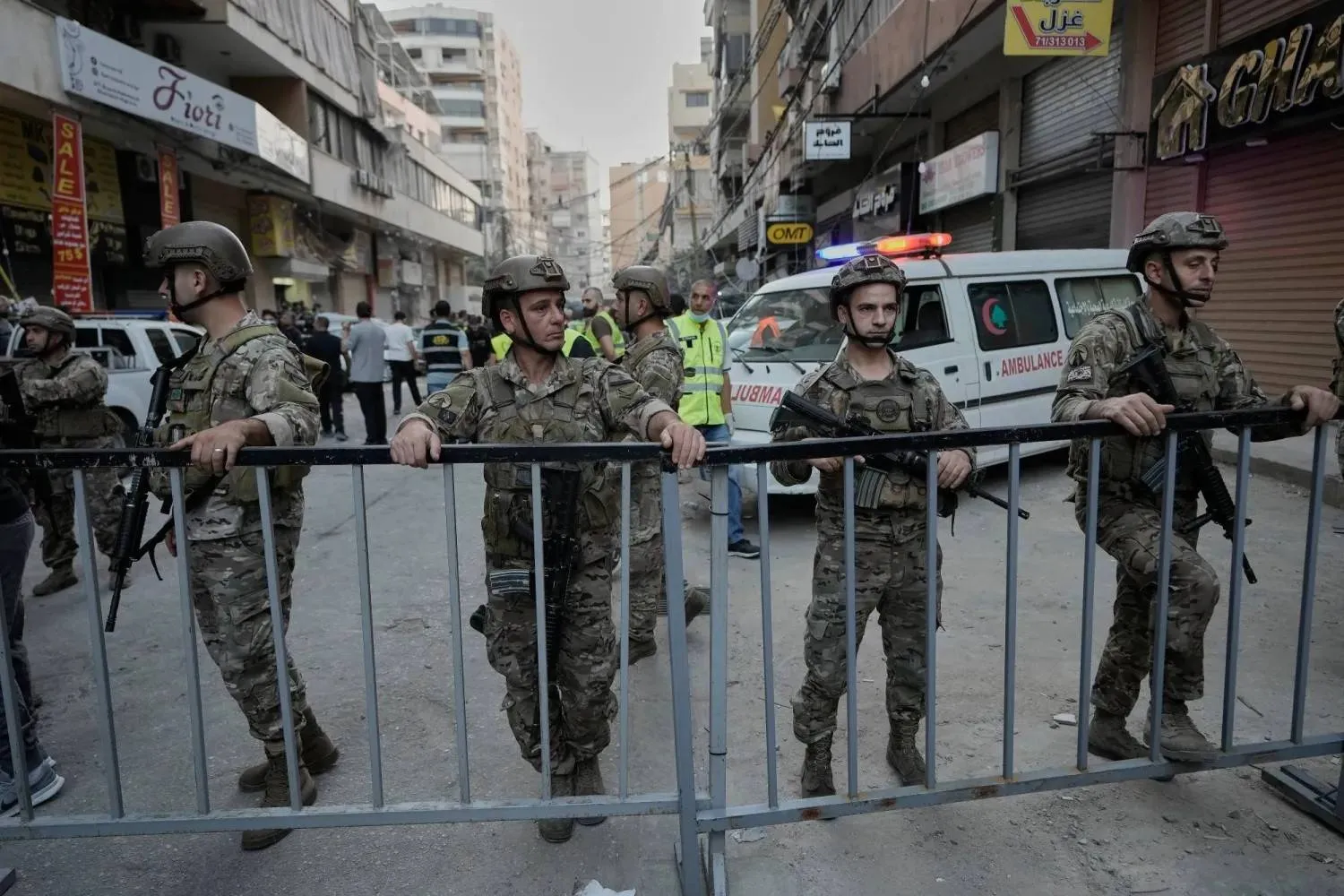
Lebanon is bracing for tense weeks as public anxieties swell ahead of two closely watched dates: Pope Leo XIV’s visit to Beirut from November 30 to December 2, and a circulating US deadline that many view as Washington’s final window to address Hezbollah’s weapons before the end of the year.
These markers have cast a shadow over daily life, fueling fears of Israeli escalation and a possible slide back to wartime conditions. Between these two dates, collective unease has spread across social classes and sects.
Political deadlines are shaping everyday decisions, from travel to work schedules to planning holiday gatherings. Many are postponing commitments until after the New Year. Karim, a Lebanese researcher based in Paris, said he chose to stay away from Lebanon during this period.
“I was planning to spend New Year’s with my family, but the increasing talk that things may change after the Pope’s visit made me pull back. Many Lebanese here believe the end of the year could bring political or security shifts.
I prefer not to be in Lebanon at that stage,” he said. Maysaa, a schoolteacher in Lebanon’s Tyre governorate, said nearly everyone repeats the same phrase when discussing future plans: “Let us wait until after the Pope’s visit.
” She said people see the visit as the reference point for the current calm, with uncertainty surrounding what follows. Even family conversations now revolve around whether security will hold through the end of the year.
In a hospital in Beirut’s southern suburbs, nurse Nadine said December has become a month defined by waiting.
“People are watching the calendar more than the events. Some patients are delaying non-urgent surgeries until next year. Many keep asking what will happen after the Pope leaves, and what the final days of the year may bring.
It feels like a psychological test,” she said. In a country where time itself has become a pressure point, the coming weeks are not simply political milestones.
They are emotional checkpoints that shape how people navigate their days.
Between the Papal visit and the American timeline, Lebanon is operating on tight lines that blur the boundary between national stakes and daily life.
Peak war anxiety Within this climate, psychotherapist Dr. Daoud Faraj said Lebanon has entered a peak phase of war-related anxiety. He told Newspapers that Lebanese are responding to two decisive markers: The Pope’s visit, and the widely circulated idea that Washington sees year-end as the last opportunity to resolve the issue of Hezbollah’s weapons.
He said people link the country’s future to two tracks. One is the Papal visit, which many fear may be followed by escalation.
The other is the year-end deadline that coincides with talk of an American push to reach a final decision. “With no reassuring official narrative, Lebanese are living under a heavy countdown,” he said. According to Faraj, the anxiety is rooted in real conditions, not imagined fears.
He explained that people can distinguish, consciously or unconsciously, between psychological fear of the unknown and natural fear of a clear threat. “Today the Lebanese person sees war as a possible scenario.
That alone is enough to turn anxiety into a natural reaction,” he said. Even if any future strike is limited or targeted, he added, the collective mind immediately recalls the violence of previous wars.
What intensifies the fear, he said, is the sense that the next phase could be more complicated. The regional conflict is no longer only military, but part of a broader restructuring project in the Middle East.
Lebanese hear daily about scenarios concerning the future of the south and foreign pressures, but without clear alternatives or guarantees. Faraj said the fear is twofold.
The continued presence of Hezbollah’s weapons raises concerns of a possible confrontation, while their removal creates another kind of fear, since collective memory still recalls what exposure looked like in many areas during past wars.
Experience shapes perceptions, he noted, leading some to consider the weapons a form of protection and others to view them as a source of danger. This duality feeds a sense of paralysis.