






.png?locale=en)




Alsharq Tribune- Gina Issa
Iran is gaining ground in the information war with a succession of viral AI-made videos that aim to widen divisions in the US and blur the line between entertainment and propaganda, according to a report published by The Wall Street Journal on Friday.
The clips, produced and distributed by pro-Iranian groups and the country’s diplomatic missions, typically mock America’s war aims with the help of a Lego-styled US President Donald Trump and a similarly rendered cast of supporting characters.
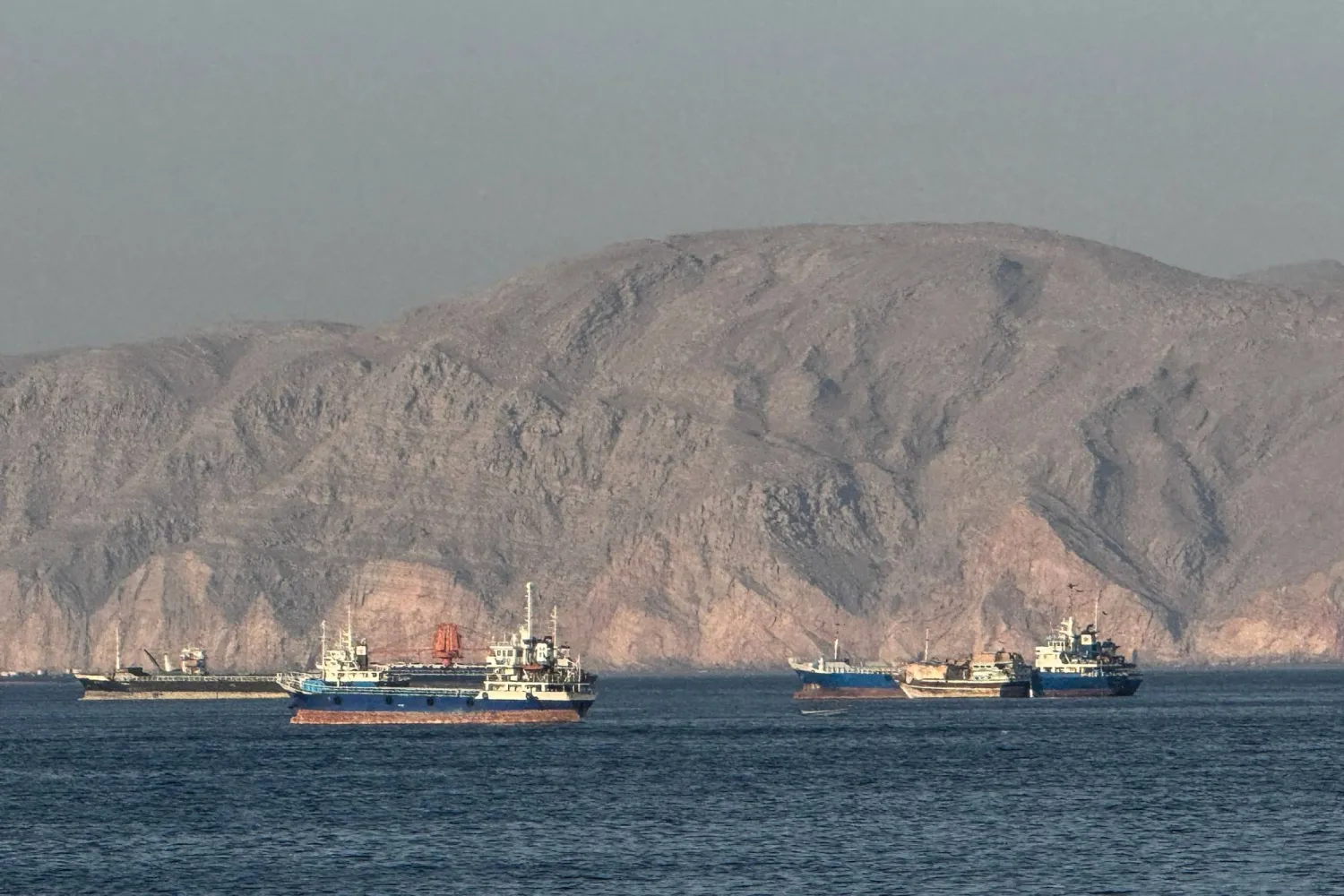
A recent video portrayed Trump as a buccaneer in a Lego-themed take on the “Pirates of the Caribbean.” American forces are depicted struggling to open up the Strait of Hormuz and blockade Iranian ports, only to see their ships sink instead.
“The content they are producing is using language and conversations that were already happening on both the left and right,” said Narges Bajoghli, associate professor at Johns Hopkins.
“They found that if they are funny enough and clever enough they can go viral.” She added, “This time around the green light has been fully given to a younger generation to put this content out.
And they are using global pop culture to do so.” The content, produced by entities like Explosive Media, with apparent government backing, marks a shift from Tehran's traditional communication strategy, which emphasized devotion to its Iranian revolution.
Iranian embassies and state-run entities help spread the videos, which have increased online engagement by 30 times since before the war, according to the WSJ report.
The Iranian Embassy in Thailand posted a clip of Trump appearing to fall asleep while sitting at his desk in the Oval Office. “Open the strait or I will covfefe. Thank you for your attention to this matter,” says another X post by the same embassy, referring to a post the president had published earlier.
For years, Iran had trouble communicating what it stands for to a Western audience. It used to rely on a more serious narrative.
The WSJ report said Iran’s Revolutionary Guard began investing in media production companies targeting young people and global audiences, but this strategy did not gain full support until after the outbreak of the recent war and the rise of a new generation more open to global digital culture.