






.png?locale=en)



Alsharq Tribune- Gina Issa
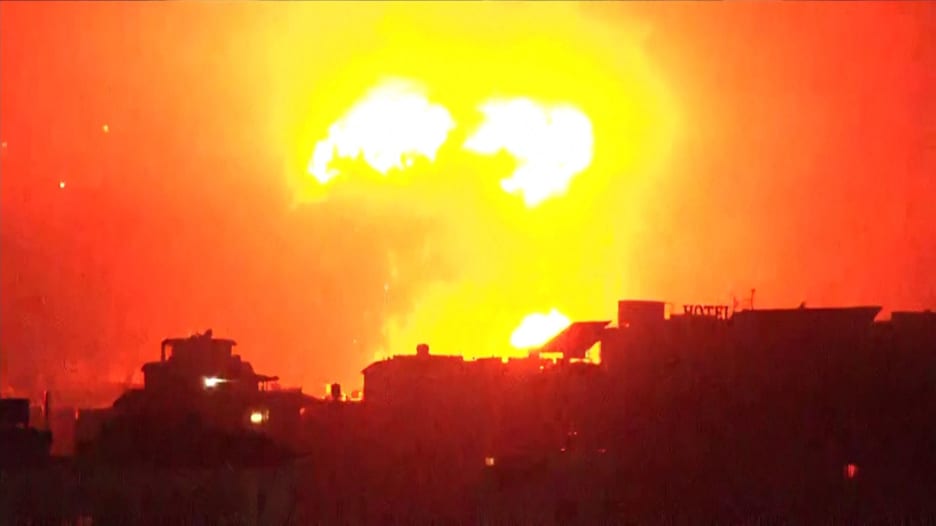
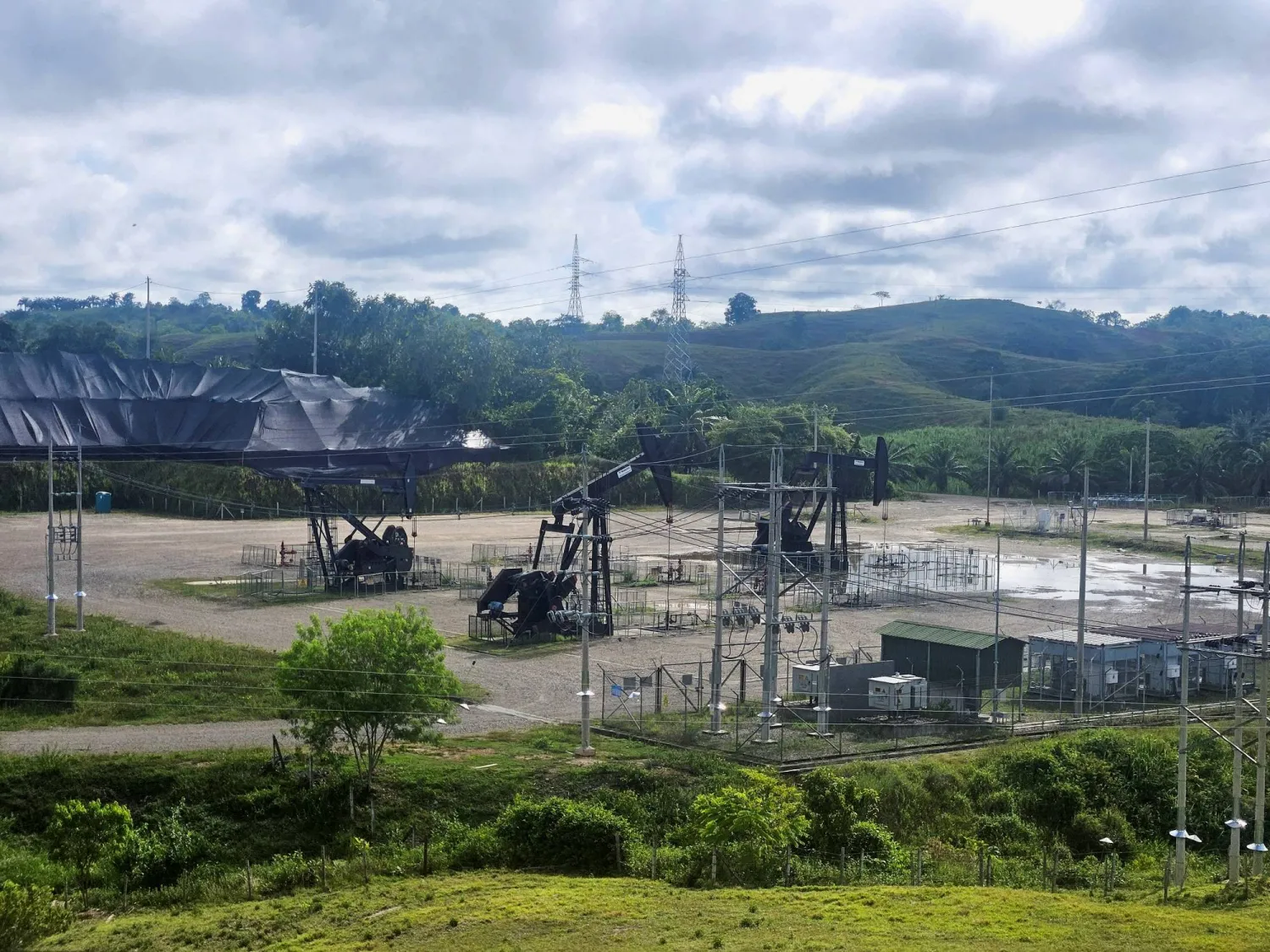
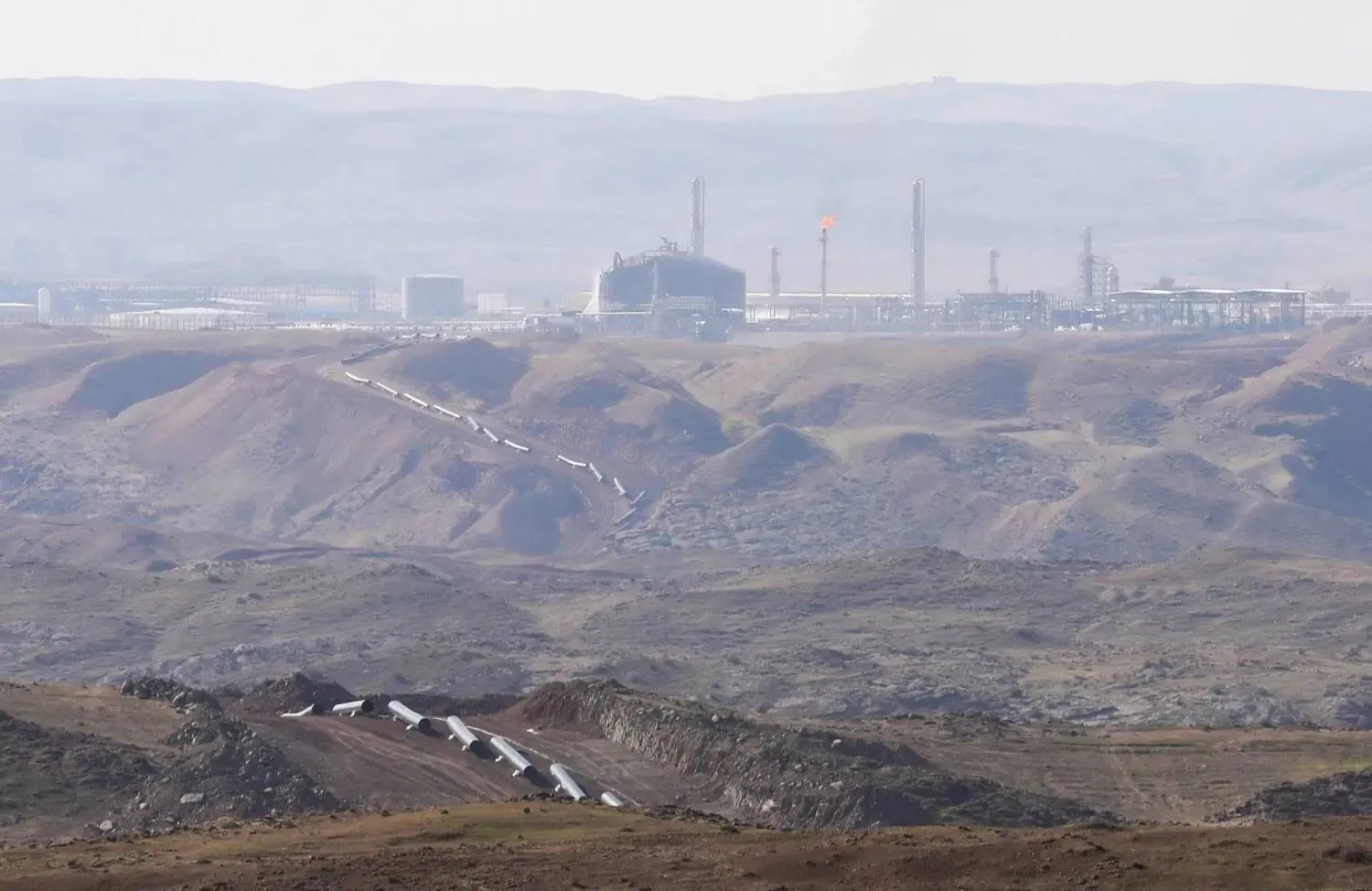
Energy supplies across the Kurdistan Region were severely disrupted after gas flows from the Kormor field in Sulaymaniyah province were halted following a drone attack late Wednesday that triggered a large fire inside the facility.
Mark Savaya, the US president’s envoy to Iraq, said Thursday that the Iraqi government must identify those responsible for the strike on the Kormor gas field and bring them to justice, stressing that there is no place for armed groups in a fully sovereign Iraq.
The shutdown slashed the region’s power generation by an estimated 80 percent, affecting cities, hospitals, and critical infrastructure throughout the night and early morning.
The Kurdistan Regional Government’s Ministries of Natural Resources and Electricity confirmed that gas flows to power stations were halted immediately after the attack.
Field reports cited by Network 964 showed a gradual collapse of electricity supplies in Sulaymaniyah, Garmian, and Erbil. Omid Ahmed, spokesman for the regional electricity ministry, said the remaining power would be rationed across essential sectors, warning that distribution networks would not return to normal until output from the field resumed.
UAE-based Dana Gas, which operates the Kormor field, said a missile struck a liquefied-gas tank, igniting a blaze that emergency teams later contained. Production was halted temporarily pending a full damage assessment and repairs.
The company said its technical teams were coordinating with regional authorities to stabilize operations and “prevent any further risk.”
In Baghdad, the Security Media Cell labeled the strike a “serious terrorist attack” targeting Iraqi interests and undermining the country’s economic and security stability.
It vowed “decisive legal measures” against those responsible. Federal electricity ministry spokesman, Ahmed Mousa, said the national grid had lost roughly 1,200 megawatts due to the shutdown of stations reliant on gas supplied under contracts with the region.
The drop, he said, would affect power distribution in several provinces. The attack comes as Iraq seeks to boost domestic gas production and reduce dependence on imports. Kormor is one of the Kurdistan Region’s most important sources of fuel for its power plants.
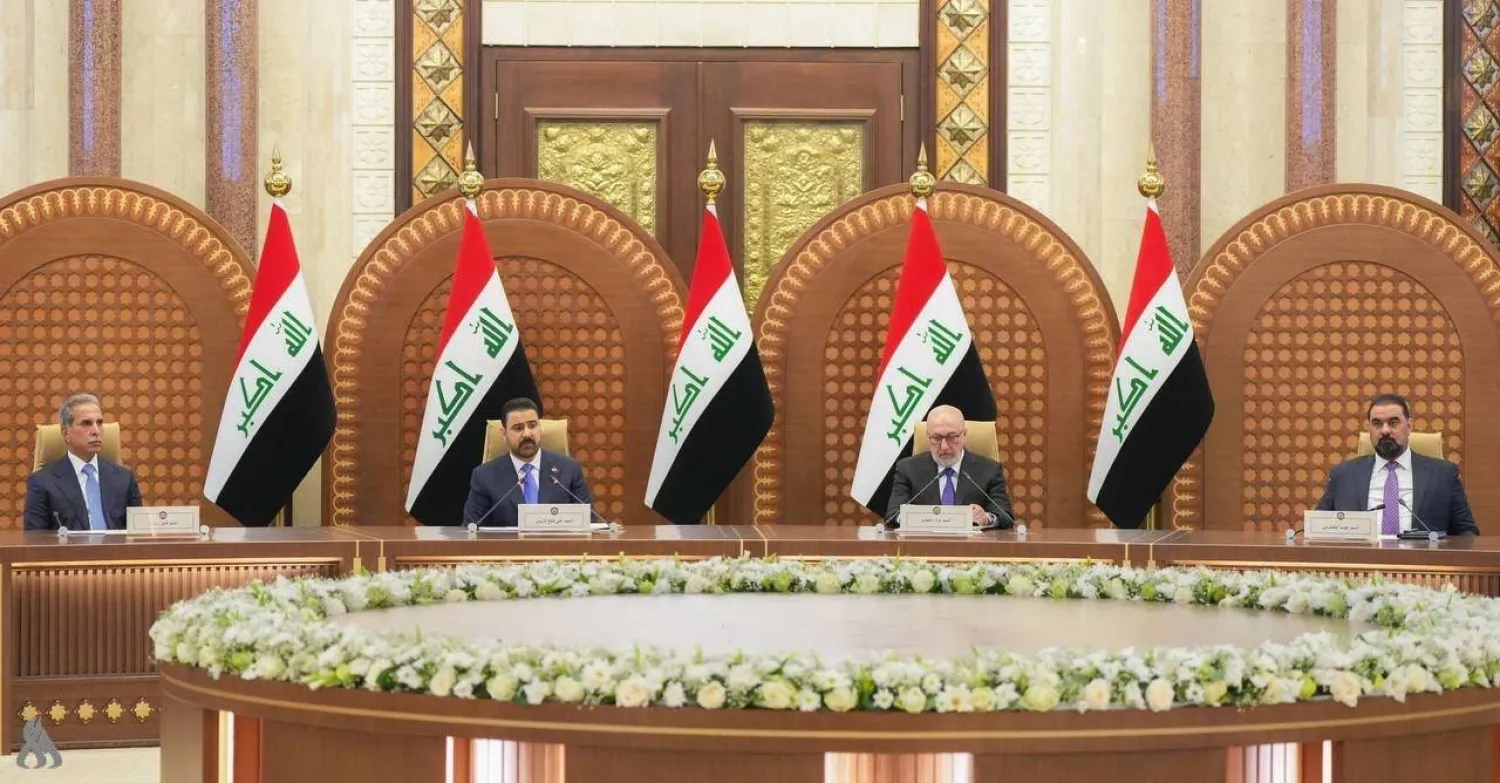
The strike provoked sharp political reactions in both Baghdad and Erbil. Iraqi Prime Minister Mohammed Shia al-Sudani condemned the attack in a phone call with Kurdistan Regional Government (KRG) Prime Minister Masrour Barzani, calling it “an assault on Iraq as a whole.”
Sudani announced the formation of a joint federal–regional committee to investigate the incident, arrest the perpetrators, and bring them to justice.
Barzani renewed his call for the United States and international partners to provide defensive systems to protect the region’s energy infrastructure, saying repeated attacks pose a direct threat to stability and civilian facilities.
Kurdish media quoted him as urging Washington to take “serious measures to stop such attacks and prevent their recurrence.
” Kurdistan Region President Nechirvan Barzani also condemned the strike, describing it as an attack on Iraq’s economic foundations and public services, and “a direct threat to national security.”
He pressed the federal government to act swiftly to prevent further attacks and reinforce protection of energy sites. The latest strike follows a string of attacks in recent years, including a drone assault in February that caused no damage, and an April 2024 bombardment that killed four workers.
The field has also faced repeated explosive-laden drone attacks in June and July of the same year. Iraqi commentators argued that the attack goes beyond local Kurdish rivalries or government-formation negotiations.
They say the targeting appears linked to Iraq’s domestic gas production and the Kurdistan Region’s efforts to reduce dependence on Iranian gas, especially after improvements that brought 24-hour electricity to parts of the region.
Security analyst Mukhled Hazem told Asharq al-Awsat that this was the tenth attack on the field this year alone, posing a serious threat to Iraq’s energy security.
The field, he said, had been surveilled by reconnaissance drones two days earlier.
Hazem added that the attacks are carried out with local tools but “suspicions point to external orders aiming to send political messages inside Iraq.”
He noted that investigations face major difficulties in identifying launch sites for the drones, which originate from varied locations, including areas south of Kirkuk. He stressed that the region urgently needs modern systems to protect its energy facilities.